BIM Land breaks ground on luxury resort in Vinh Hy
The project draws inspiration from Vinh Hy’s distinctive mountains, forests and coastline, aspiring to create a premium hospitality experience rooted in the character of the destination.

As part of the Vietnam Sustainable Construction Forum 2026, the International Finance Corporation (IFC), a member of the World Bank Group, awarded the EDGE Advanced green building certification to InterContinental Thanh Xuan Valley Resort.
On 16 July, at the Vietnam Sustainable Construction Forum 2026 (VSCF 2026), the International Finance Corporation (IFC), a member of the World Bank Group, presented the EDGE Advanced green building certification to InterContinental Thanh Xuan Valley Resort.
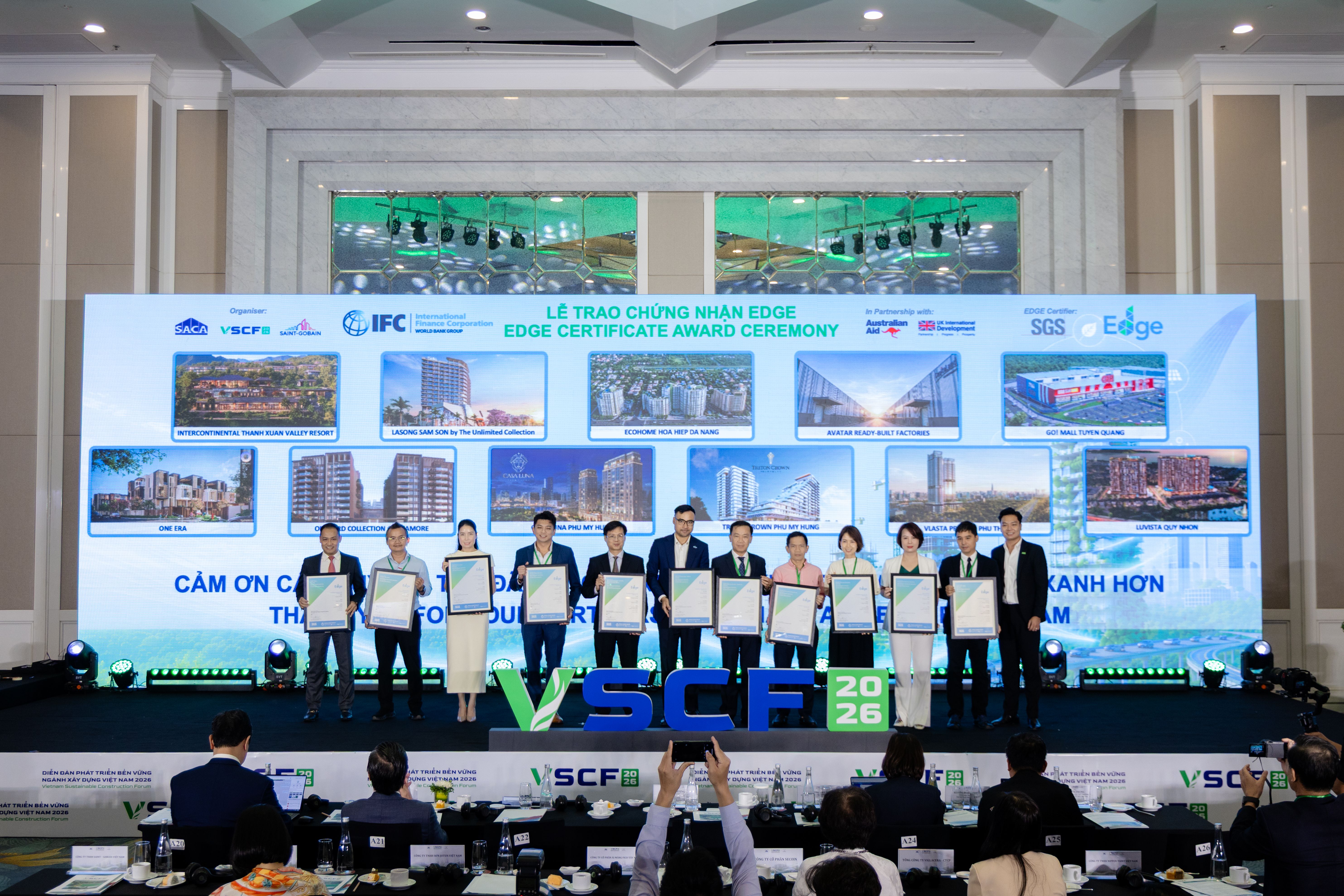
Ms. Pham Thi Ly, Group Director of External Communications (third from right), receives the certification on behalf of BIM Group from the World Bank Group
Organized by the Ho Chi Minh City Construction and Building Materials Association, the forum brought together government authorities, industry experts, investors, and businesses actively contributing to the sustainable transformation of Vietnam's construction sector. Against this backdrop, the certification presented at VSCF 2026 represents more than a project milestone for InterContinental Thanh Xuan Valley Resort. It reflects a broader industry shift, where green building standards are gradually evolving from voluntary aspirations into measurable components of real estate development strategies.
This marks the second project within Thanh Xuan Valley to receive EDGE certification. Previously, Thanh Xuan Valley Country Club was also certified under the same internationally recognized system.
The two certifications, awarded to facilities serving distinct functions, represent a noteworthy achievement. While the Country Club is designed primarily as a community hub, the resort comprises hotel guestrooms, villas, dining venues, conference facilities, and wellness amenities, all of which require significantly more sophisticated energy and water management systems. This demonstrates that sustainability standards at Thanh Xuan Valley are not confined to a single flagship development, but are being systematically integrated across the destination's broader operational ecosystem.
When "green" becomes a measurable technical standard
In the real estate sector, lush landscapes and water features are often used as visual expressions of sustainability. Yet these elements represent only the most visible layer. The true environmental performance of a building is determined by its energy consumption, water efficiency, construction materials, and the carbon emissions generated throughout its lifecycle.
EDGE- short for Excellence in Design for Greater Efficiencies - is a green building certification system developed by IFC. To achieve the base EDGE certification, a project must demonstrate at least 20% savings in energy, water, and embodied carbon in materials compared to a local baseline building. To attain the EDGE Advanced level, projects must achieve a minimum of 40% on-site energy savings while continuing to meet the required thresholds for water efficiency and embodied carbon reduction. IFC also recognizes this certification level as "Zero Carbon Ready", indicating that a project is well-positioned to transition toward net-zero operational carbon emissions.
For a project currently under development, the certification primarily validates that its design solutions have been assessed against an independent and internationally recognized framework. In other words, rather than simply claiming to be “environmentally friendly”, the developer is required to demonstrate specific design strategies together with their projected performance, provided the project is constructed in accordance with the certified design documentation.
This distinction is particularly significant for hospitality real estate. Air-conditioning systems, hot water supply, lighting, commercial kitchens, spas, swimming pools, and event spaces place resorts among the most resource-intensive asset classes. Consequently, reducing energy and water consumption delivers not only environmental benefits but can also have a direct impact on operating costs, long-term competitiveness, and the ability to consistently maintain service excellence over time.
Green development within a 170-hectare ecosystem
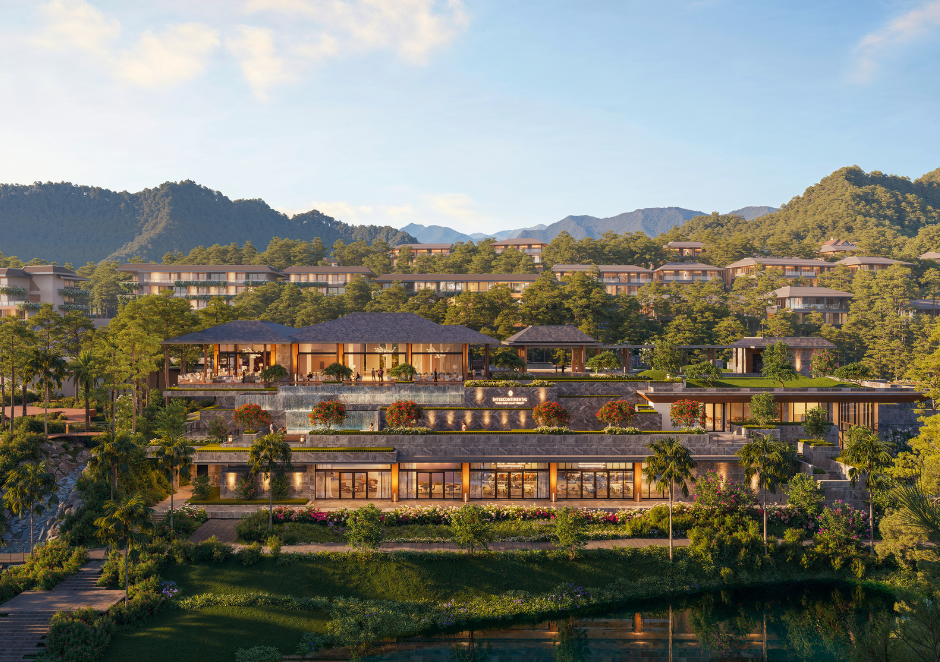
InterContinental Thanh Xuan Valley Resort is master-planned within an ecosystem of pine forests, lakes, and a naturally contoured valley.
InterContinental Thanh Xuan Valley Resort is situated at the heart of Thanh Xuan Valley, a 170-hectare urban resort destination in the Dai Lai area of Phu Tho Province, less than an hour's drive from central Hanoi. The destination has been master-planned amid mature pine forests, eight natural lakes, and an interconnected stream system - landscape assets that not only provide exceptional development potential but also require a thoughtful and environmentally responsible approach to construction.
The resort comprises 165 hotel guestrooms, 107 private villas, and a collection of seven Tree Top Villas nestled beneath the forest canopy. Its planned amenities include restaurants, bars, spa and wellness facilities, a children's playground, MICE venues, and a grand ballroom. It is also the first InterContinental-branded resort in Vietnam to be set within a natural valley.
Complementing the resort is the 1.7-hectare Thanh Xuan Valley Country Club, featuring more than 60 amenities designed to serve as the community's primary recreational and social hub. With both the Country Club and the resort achieving EDGE certification, an important connection is established: environmental standards are not treated as a separate consideration alongside the living experience, but rather as an integral part of the infrastructure that shapes and enhances that experience.
This distinction underscores the difference between a project that simply includes a green building and a destination conceived through a green development philosophy. In the former, certification may apply to a single building; in the latter, principles of resource efficiency, landscape conservation, and sustainable operations are embedded consistently across multiple components of the development.
From operational standards to long-term asset value
IHG's involvement adds another layer of value to the project's long-term operational strategy. By the end of 2025, the IHG One Rewards loyalty programme had surpassed 160 million members worldwide, with members accounting for approximately 66% of all room nights booked across the group's portfolio. This global scale provides IHG-branded properties with access to an extensive distribution network and a well-established customer base - advantages that independent resorts often require many years to build.
However, an internationally recognized hospitality brand cannot substitute for the intrinsic quality of the physical asset itself. While global brand affiliation enables a property to reach international guests, its ability to sustain long-term value ultimately depends on the effectiveness of its design, maintenance costs, adaptability to evolving environmental standards, and the resilience of the surrounding ecosystem.
Viewed from this perspective, EDGE Advanced forms part of a broader asset lifecycle management strategy. The certification does not guarantee revenue performance or property value appreciation. Rather, it establishes the fundamental conditions that help safeguard the asset against premature obsolescence amid rising expectations for energy efficiency, increasingly stringent ESG requirements, and tightening environmental regulations.
This approach also aligns closely with BIM Land's long-term financial strategy.
In 2023, IFC invested up to VND 3.5 trillion (approximately USD 150 million) in local currency sustainability-linked bonds issued by BIM Land and Thanh Xuan Joint Stock Company. The financing is tied to sustainability performance targets, including improvements in energy efficiency and resource utilization across the companies' real estate developments.
From sustainable financing and building design to independent third-party certification, a comprehensive chain of verification has been established. Together, these elements provide tangible evidence of BIM Land's philosophy as a "Destination Creator with Long-Term Value”. This philosophy is expressed through architecture designed to remain enduringly attractive, buildings engineered for operational efficiency, and destination ecosystems that continue to generate lasting value long after the sales cycle has concluded.
Against this backdrop, InterContinental Thanh Xuan Valley Resort's achievement of the EDGE Advanced certification represents far more than an additional credential for the project. Together with the Country Club's certification, it demonstrates how sustainable development standards are progressively becoming the foundational infrastructure of Thanh Xuan Valley where the value of nature is not merely leveraged for visual appeal, but systematically embedded into the destination's design, operations, and long-term asset value preservation.
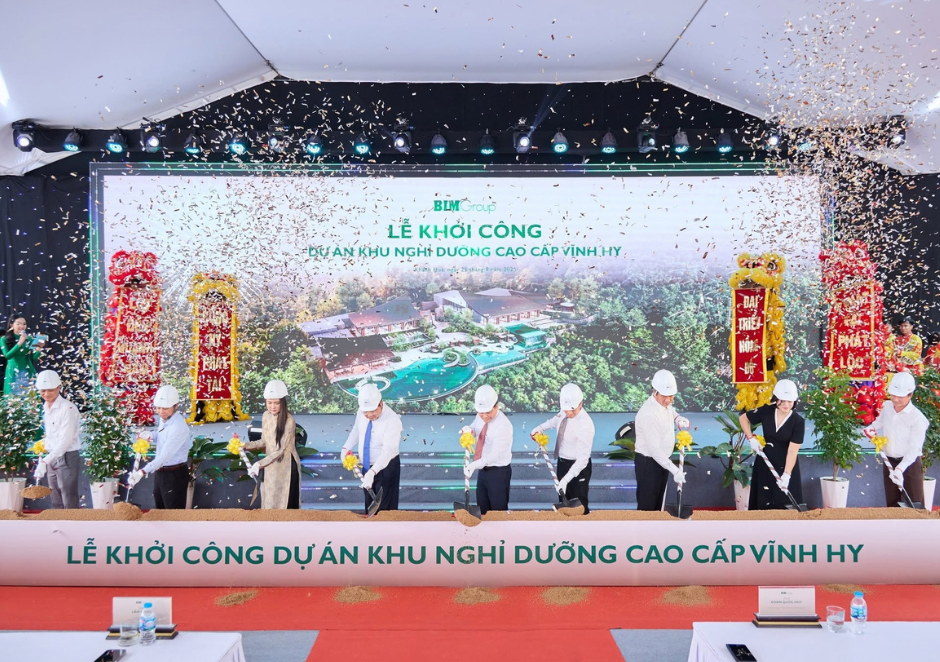
The project draws inspiration from Vinh Hy’s distinctive mountains, forests and coastline, aspiring to create a premium hospitality experience rooted in the character of the destination.
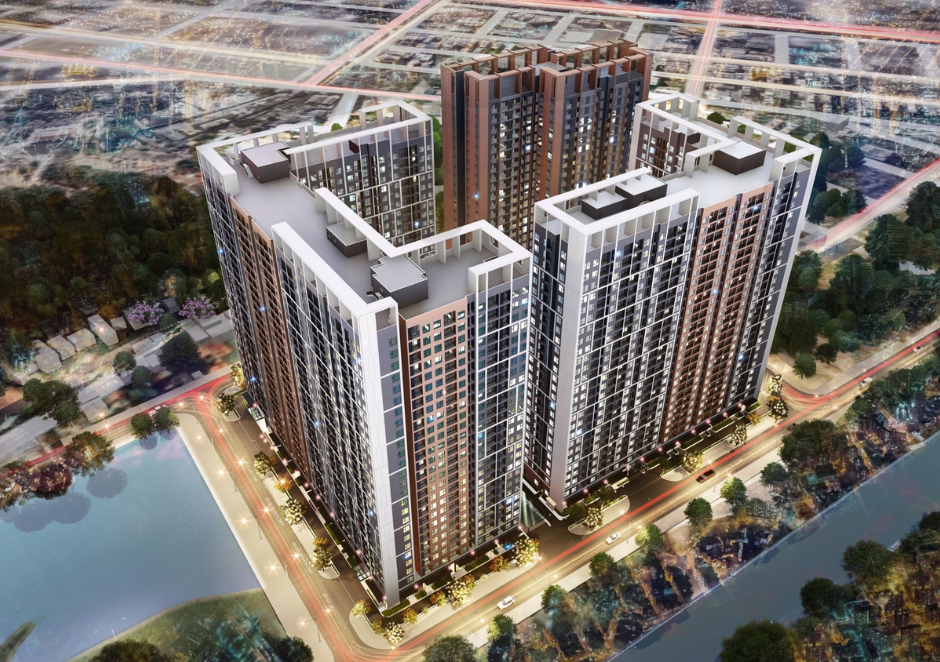
The Marina Living Halong project in Bai Chay Ward is projected to supply 2,093 social housing units, augmenting the residential supply for local workers and eligible individuals within Quang Ninh Province during the 2027–2029 period.
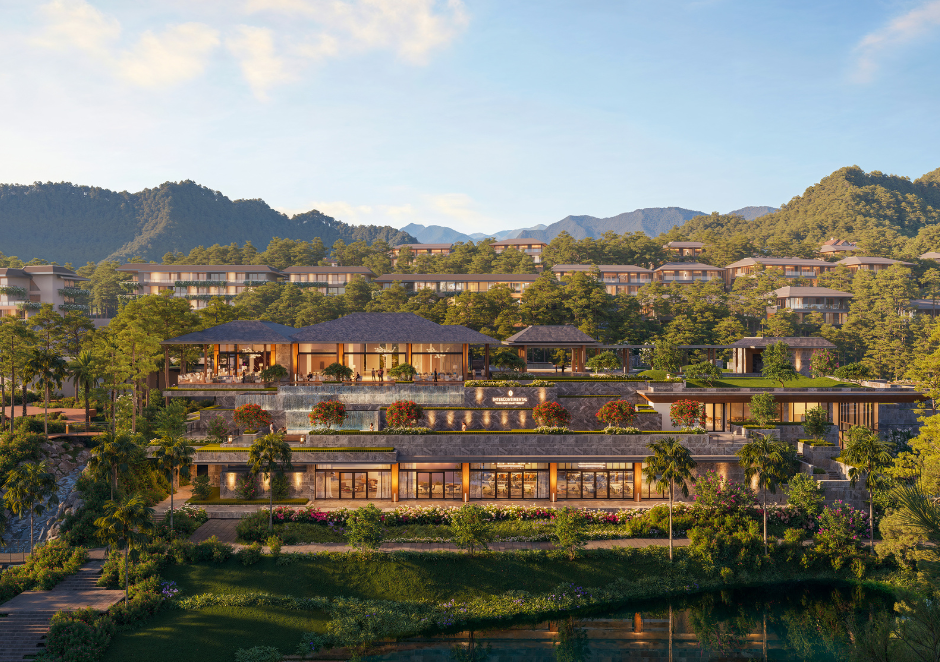
As part of the Vietnam Sustainable Construction Forum 2026, the International Finance Corporation (IFC), a member of the World Bank Group, awarded the EDGE Advanced green building certification to InterContinental Thanh Xuan Valley Resort.